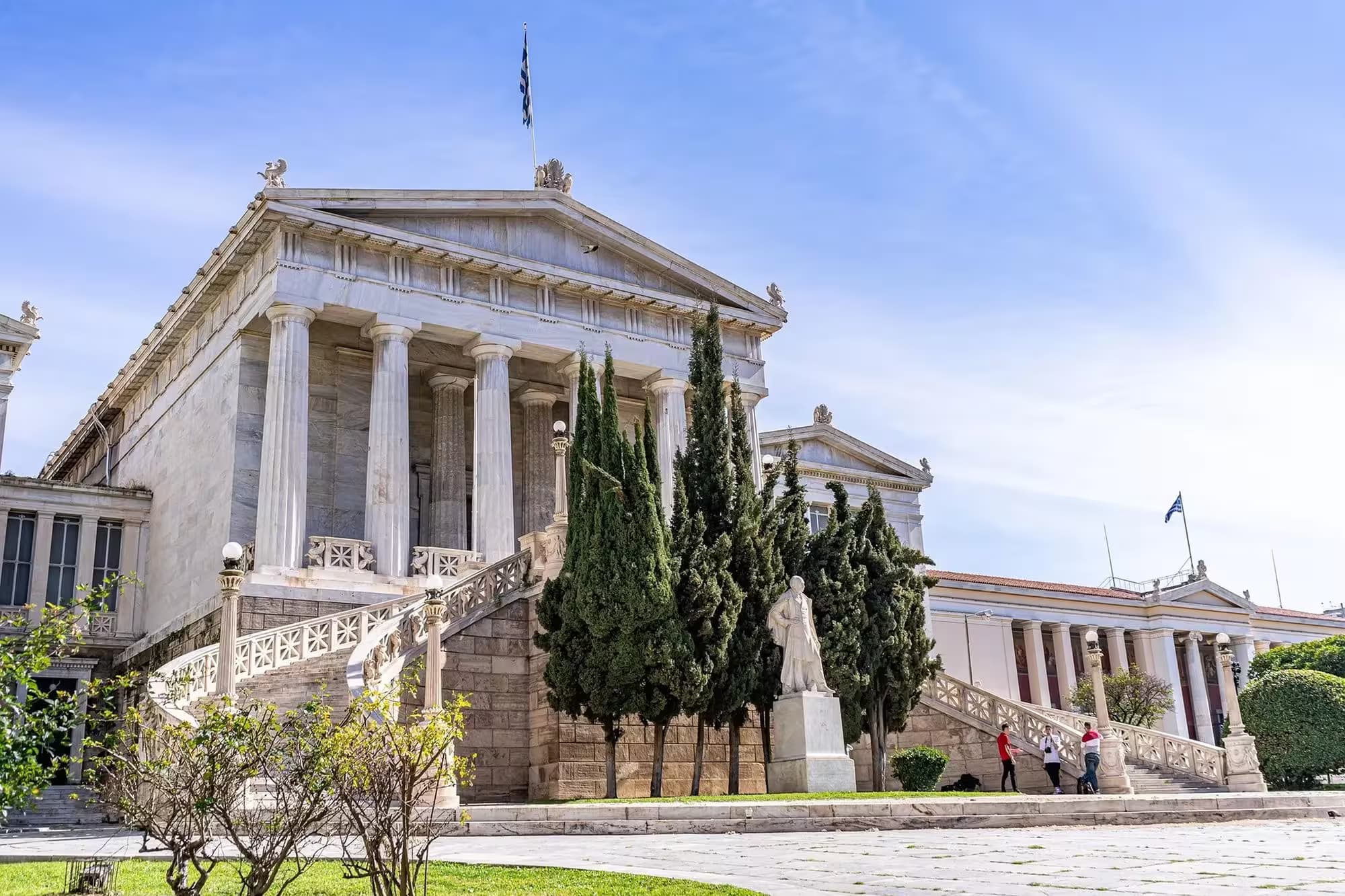
Higher Diploma in International Law
Course Overview
The Higher Diploma in International Law is a UK Level 5 qualification running 15 to 18 months. It covers the sources, structures and working practice of public and private international law: treaties, custom, jurisdiction, state responsibility, international dispute settlement, international humanitarian and human rights law, and the private international-law rules on jurisdiction, applicable law and enforcement. The syllabus is aligned with International Bar Association and Chartered Institute of Arbitrators benchmarks.
By graduation you will have produced treaty-interpretation memos, drafted a submission for a mock international court, prepared a private international-law advice on a cross-border commercial dispute, and produced a capstone case tracing an international-law question through its institutional stages. Credit transfer into an LLB top-up or an LLM route is confirmed at enrolment.
Key Features
- Fifteen to eighteen months of applied international-law study with capstone project.
- Syllabus aligned with International Bar Association and Chartered Institute of Arbitrators benchmarks.
- Case material drawn from ICJ, ICC, WTO Appellate Body and English-court cross-border judgments.
- Named programme tutor plus an international-law practitioner mentor.
- Three parallel study modes and confirmed credit transfer into an LLB or LLM route.
- Two intake windows a year with named admissions support for international applicants.
What You Will Learn
- The sources of public international law: treaties, custom, general principles and judicial decisions.
- Statehood, recognition, jurisdiction and state responsibility.
- International dispute settlement: negotiation, ICJ, arbitration and specialist tribunals.
- International humanitarian law and the Geneva Convention framework.
- International human rights: universal and regional systems.
- Private international law: jurisdiction, applicable law and enforcement of judgments.
- International commercial arbitration under the New York Convention and UNCITRAL rules.
- Writing a submission for a mock international court or arbitral tribunal.
Who This Course Is For
- Paralegals, legal executives and lawyers moving into international practice areas.
- Foreign ministry and diplomatic mission staff seeking a formal international-law credential.
- Working professionals in international NGOs and multilateral secretariats.
- Graduates progressing toward an LLB top-up or an LLM route in international law.
Career Pathways
- Legal Analyst in an international organisation
- Legal Adviser to a diplomatic mission
- Human Rights Adviser
- Contract Lawyer with a cross-border focus
- Legal Executive in international arbitration
- In-house Counsel in an internationally-active company
- Legal Researcher on international-law questions
The LSLPE careers service links Higher Diploma graduates with entry pipelines into international-law chambers, arbitration teams in City firms, diplomatic missions and multilateral secretariats.
Entry Requirements
- A relevant Diploma (Level 4), Advanced Diploma or comparable qualification in law or international relations.
- GCSE English at grade 4/C and Mathematics at grade 4/C or equivalent.
- IELTS 6.0 overall (no band below 5.5) for non-native English speakers.
- One academic or professional reference.
- Working professionals in diplomatic, NGO or international-commercial settings are welcomed.
Why Study at LSLPE
The London School of Law, Politics and Economics teaches international law where it is practised, within walking distance of the international arbitration hubs of the City and the international-affairs cluster around Chatham House. Guest sessions come from practising international-law counsel, arbitration solicitors and diplomatic-service alumni.
Three parallel study modes let progressors, in-post practitioners and international applicants complete the Higher Diploma without leaving employment, and the LSLPE careers service maintains active links with international-law chambers and multilateral bodies.
Apply for Higher Diploma in International Law
Applications for the Higher Diploma in International Law are open, with confirmed articulation into an LLB or LLM route. Complete a Higher Diploma at LSLPE and articulate into a UK Bachelor's top-up in the same discipline, credit transfer is confirmed at enrolment. Enrol Now