Bachelor of Petroleum Logistics Engineering
Course Overview
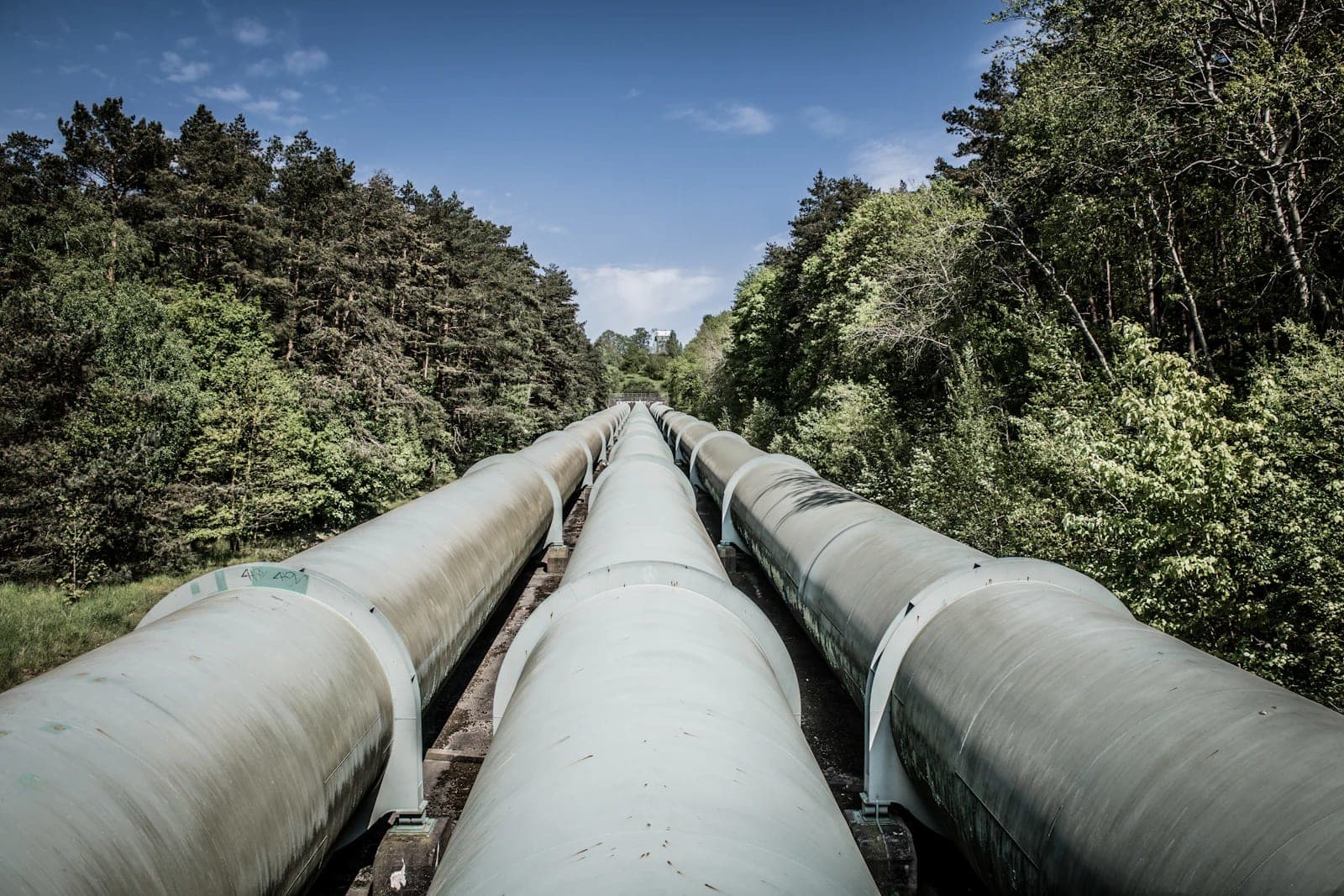
The Bachelor of Petroleum Logistics Engineering is a three-year UK Level 6 honours degree with a year-two industry placement, delivered across on-campus, online and distance routes. The programme concentrates on petroleum logistics engineering across pipelines, terminals, tank farms and metering systems, and it is written in step with Energy Institute (EI), Institution of Chemical Engineers (IChemE), Chartered Institute of Logistics and Transport (CILT) competency areas familiar to UK operators, contractors and service companies working across the North Sea, wider Europe, the Middle East, West Africa and the Americas.
By graduation you will be sizing petroleum logistics infrastructure, reviewing metering integrity and preparing engineering handovers for logistics assets, ready to take on full UK honours training with a year-two industry placement and final-year capstone. You will finish with a capstone or portfolio project rooted in a real oil, gas and energy scenario, and you will leave with UK-format written and oral communication drilled through every module. The Bachelor of Petroleum Logistics Engineering is calibrated for both first-career applicants and returning professionals, with dedicated tutor support inside every cohort.
On-campus cohorts follow a standard three-year full-time schedule at the LSOGM London base, live online cohorts join the same seminars via a scheduled video room, and distance-learning cohorts follow the same materials asynchronously with weekly tutor check-ins. Assessment blends written coursework, applied projects, a year-two industry placement, formal exams and a final-year capstone or dissertation, graded against UK Level 6 outcome descriptors.
Key Features
- Three-year BEng-style honours degree with year-two industry placement
- Syllabus aligned with Chartered Institute of Logistics and Transport (CILT) and IChemE competencies
- Modules on pipeline hydraulics, storage tanks and metering trains
- Coverage of UK, North Sea and international logistics infrastructure
- Named programme-tutor support across on-campus, online and distance modes
- Final-year capstone on a petroleum logistics engineering design
What You Will Learn
- Design pipeline hydraulic profiles for crude and product movement
- Size storage tanks, bunds and terminal loading arms
- Assess metering trains and fiscal metering integrity
- Analyse tank-farm inventory and blending schemes
- Apply UK HSE requirements to terminal operations
- Model logistics infrastructure risk and integrity
- Estimate CAPEX and OPEX for logistics assets
- Communicate engineering findings in UK operator-format reports
Who This Course Is For
- A-Level and BTEC leavers targeting a UK petroleum logistics engineering honours degree
- International applicants seeking a UK logistics engineering specialism
- Mature applicants moving from terminal or engineering roles into full graduate practice
- Placement-driven applicants targeting terminal operators and pipeline firms
- Applicants targeting CILT and IChemE progression routes
Career Pathways
- Pipeline Engineer
- Terminal Operations Manager
- Facilities Engineer
- Petroleum Transportation Manager
- Energy Supply Chain Manager
- Asset Integrity Engineer
- Distribution & Logistics Manager
The LSOGM careers service links Bachelor finishers with UK operators, City energy trading floors, Aberdeen and North Sea contractors, and international assets recruiting through London. Named careers advisers coach every Bachelor of Petroleum Logistics Engineering candidate through CV framing, LinkedIn positioning and interview preparation for UK-format hiring processes, with follow-up support after graduation.
Weekly online tutorial windows and a moderated discussion board keep asynchronous learners in step with the live cohort. Undergraduates receive personalised placement support in year two, and finishers leave with a full transcript, a Bachelor award and a UK-format reference letter aligned with graduate-scheme applications. Applicants can begin the Bachelor of Petroleum Logistics Engineering at any of the rolling intakes across the year, with course dates confirmed in writing at admission.
Entry Requirements
- 112-128 UCAS points (or equivalent), including at least one science-related A-Level (or BTEC Extended Diploma at DMM or above).
- GCSE English and Mathematics at grade 5/B (or equivalent).
- IELTS 6.5 overall (no band below 6.0) for non-native English speakers.
- Two references, normally academic; senior professional acceptable for mature applicants.
- Personal statement covering your interest in oil, gas and energy careers.
Why Study at LSOGM
The London School of Oil and Gas Management is a specialist division of Harold International College of London teaching in small, tutor-visible cohorts. LSOGM sits within reach of the City's energy trading floors, the offshore expertise of Aberdeen and the North Sea, and one of the world's densest concentrations of oil, gas and energy sector employers.
Every intake, on-campus, online or distance learning, joins the same weekly seminar structure with named programme-tutor support. Three parallel study modes keep the programme accessible around shift patterns and travel commitments in the energy sector. Curricula are reviewed annually against live employer demand, and faculty are practising engineers, HSE specialists and energy economists.
The Bachelor of Petroleum Logistics Engineering sits inside a broader LSOGM curriculum ladder, so finishers can articulate cleanly into the next LSOGM programme where relevant. Every cohort is small enough for tutors to know every candidate by name, and every module is reviewed annually against employer demand across upstream, midstream, downstream and energy transition activity.
Apply for Bachelor of Petroleum Logistics Engineering
Take the next step on the LSOGM ladder with the Bachelor of Petroleum Logistics Engineering. Begin your full honours degree with LSOGM. Click Enrol Now. Admissions responds within one working day. Bring your questions, your CV and your career target to the Bachelor of Petroleum Logistics Engineering admissions team, and the LSOGM office will map the fastest route to your first cohort. Enrol Now.