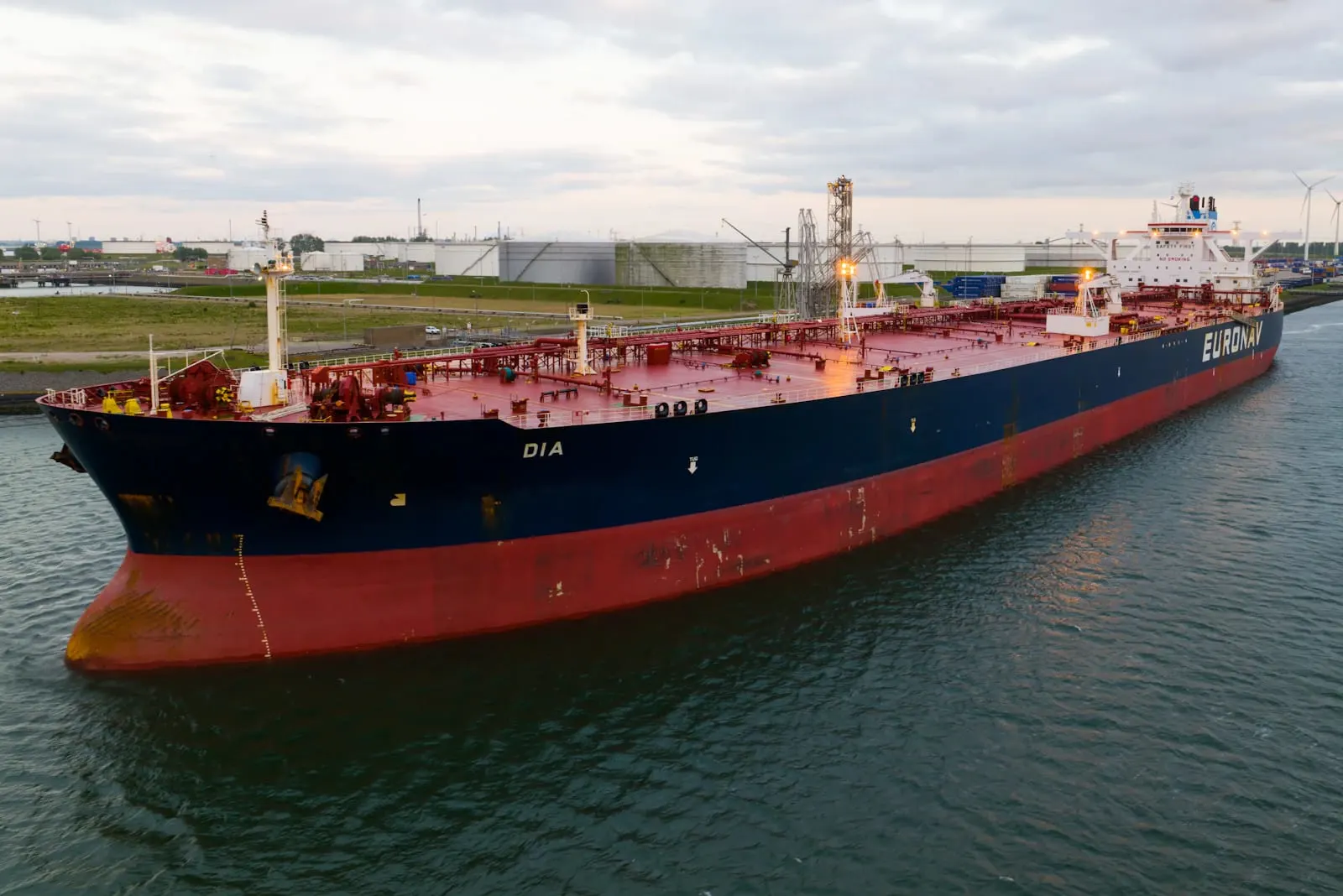
Master of Marine Energy Engineering Systems
Course Overview
The Master of Marine Energy Engineering Systems is a UK Level 7 postgraduate qualification delivered over 1-2 years across on-campus, online and distance routes at the London School of Oil and Gas Management, a specialist division of Harold International College of London. The programme concentrates on engineering and operating marine energy assets from FPSOs to offshore wind foundations, and it is written in step with UK sector practice, professional-body standards including Energy Institute (EI) and Institution of Chemical Engineers (IChemE), and live employer demand across the Midstream, Logistics & Refining space.
By graduation you will graduate ready to deliver a systems-engineering dissertation on a marine energy asset, and you will finish with evidenced capability that reads clearly on a UK CV, from written technical reports and case portfolios through to the applied artefacts that operators and consultancies expect from Master-level candidates. The taught element runs alongside a substantial research or consulting dissertation, with structured supervisor meetings, peer defence sessions and industry review panels. Take the senior postgraduate track with LSOGM.
Key Features
- Postgraduate UK Level 7 award delivered over 1-2 years
- Syllabus mapped to Energy Institute (EI), Institution of Chemical Engineers (IChemE) and American Institute of Chemical Engineers (AIChE) competency frameworks
- Substantial dissertation, capstone or sponsor consulting project as the closing deliverable
- Named programme-tutor, personal-tutor and dissertation supervisor pairing throughout
- Three parallel study modes for working professionals in the oil, gas and energy sector
- Research-informed teaching by practising energy sector engineers, HSE specialists and economists
- Careers service link to UK, Aberdeen and international senior recruiters at postgraduate salary bands
What You Will Learn
- Engineer topside and hull systems for FPSO and FLNG assets
- Design mooring, riser and umbilical systems for marine energy platforms
- Assess dynamic positioning and station-keeping strategies
- Model structural integrity and fatigue for marine steel and concrete assets
- Coordinate marine operations, tow-outs and hook-ups
- Apply UK HSE offshore installations regulations to marine energy assets
- Integrate offshore wind, oil and gas and hybrid marine systems
- Present a systems-engineering dissertation to an academic and industry panel
Who This Course Is For
- Marine engineers pivoting into senior offshore energy roles
- Naval architects broadening into hydrocarbons and offshore wind
- International applicants targeting UK offshore energy careers
- Senior technical professionals converting to postgraduate credentials
- Working professionals studying part-time around rota patterns
Career Pathways
- Marine Oil Operations Manager
- Offshore Engineer
- Subsea Engineer
- Facilities Engineer
- Asset Integrity Engineer
- FPSO Operations Manager
- Marine Systems Engineer
LSOGM careers service links Master finishers with UK operators, contractors, service firms and London commercial teams recruiting into the Midstream, Logistics & Refining space. Support includes mock interviews, UK CV clinics, LinkedIn profile reviews, structured introductions to Aberdeen and London recruiters, and alumni-network sessions with practitioners already working in the target career pathways. The service is available to students on all three study modes and continues after graduation, and every Master finisher receives structured follow-up in the first six months of the job market.
Entry Requirements
- A UK Bachelor degree at 2:2 or above (or international equivalent) in a relevant discipline.
- Relevant work experience considered in place of formal academic qualifications for senior applicants.
- IELTS 6.5 overall (no band below 6.0) for non-native English speakers.
- Two references, normally one academic and one personal or employer.
- Personal statement covering your research or professional interests in Marine Energy Engineering Systems.
Why Study at LSOGM
The London School of Oil and Gas Management is a specialist division of Harold International College of London teaching in small, tutor-visible cohorts. LSOGM sits within reach of the City's energy trading floors, the offshore expertise of Aberdeen and the North Sea, and one of the world's densest concentrations of oil, gas and energy sector employers, professional bodies and standards organisations.
Every intake, on-campus, online or by distance learning, joins the same weekly seminar structure with named programme-tutor support. Three parallel study modes make LSOGM programmes accessible around work, family or shift patterns in the energy sector. Curricula are reviewed annually against live employer demand, faculty are practising engineers, HSE specialists and energy economists, and students leave with evidenced capability, from process safety audits to reservoir models to trading briefs.
For Master of Marine Energy Engineering Systems students specifically, LSOGM connects the taught syllabus to live UK sector practice: guest sessions with practising engineers, HSE specialists or energy economists as relevant, seminar readings drawn from operator technical papers, and applied exercises anchored in named UK basins, terminals and refining regions rather than generic textbook examples. Students who come from outside the UK receive additional English-for-technical-writing support and structured pastoral care through the international admissions team.
Apply for Master of Marine Energy Engineering Systems
Applications for the Master of Marine Energy Engineering Systems are reviewed on a rolling basis across all three study modes, with multiple intakes each year to fit around work and family patterns in the energy sector. Take the senior postgraduate track with LSOGM. Click Enrol Now. Admissions responds within one working day. Take the next step with the Master of Marine Energy Engineering Systems and join a cohort structured around live UK operator practice. Enrol Now and admissions will respond within one working day.