Master of Petroleum Economics and Energy Finance
Course Overview
The Master of Petroleum Economics and Energy Finance is a uk level 7 postgraduate qualification, typically 1 year full-time or 2 years part-time delivered across on-campus, online and distance-learning routes. It focuses on the applied economics and finance disciplines that price, fund and structure petroleum and broader energy projects, taught in step with UK professional-body competencies used across the City energy trading floors, London commodities markets, and the wider UK financial and regulatory ecosystem.
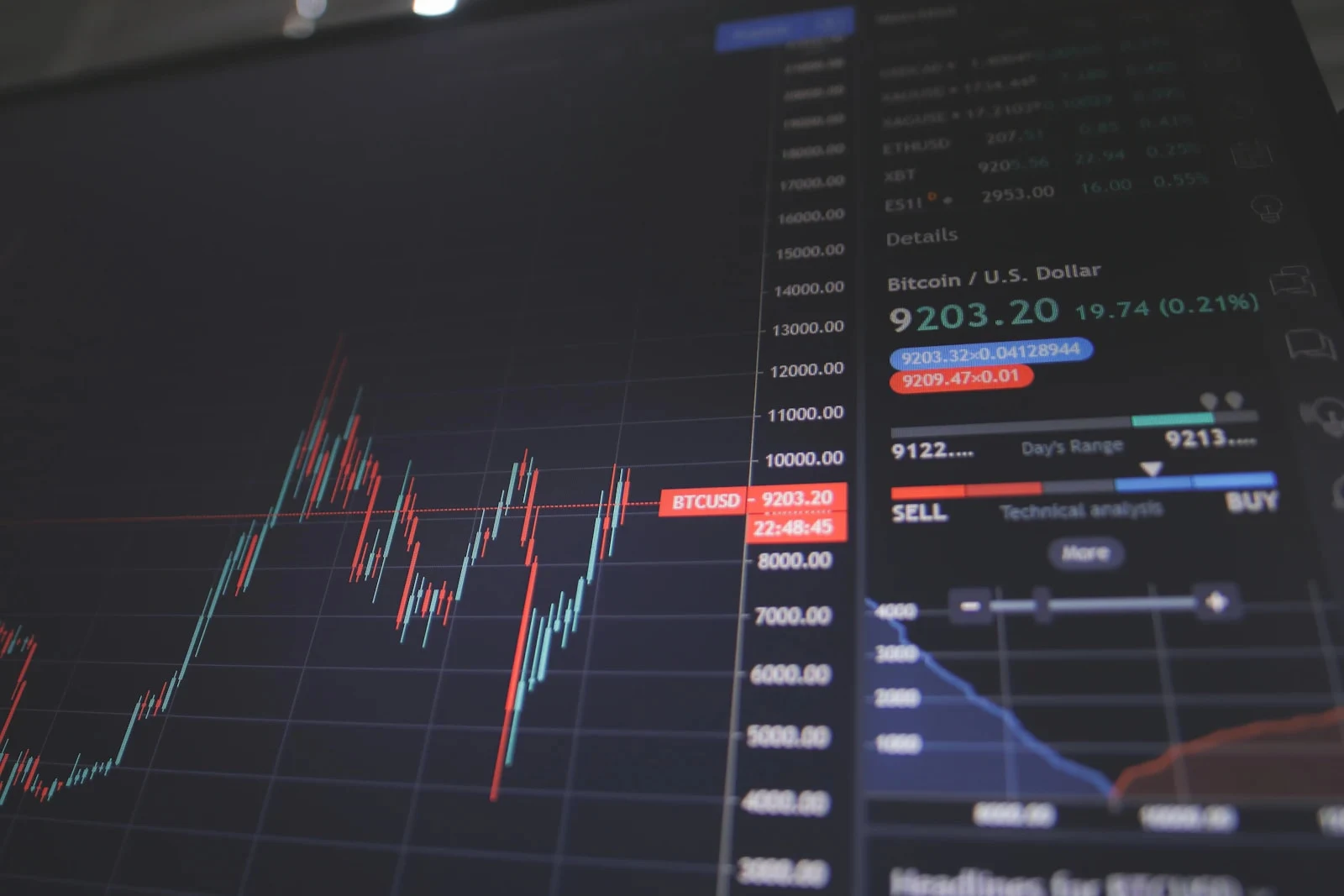
By graduation, you will be building project finance models, running peer valuations and delivering a research-informed dissertation on petroleum economics and energy finance. Weekly seminars, applied case work and a closing project ensure you finish with evidence that matches the expectations of UK operators, service firms and regulators working in oil, gas and energy.
Assessment is continuous. Every module of the Master of Petroleum Economics and Energy Finance includes a scored applied task, brought into a written portfolio that admissions, external verifiers and prospective employers can review. The closing capstone or dissertation sits alongside this portfolio as evidence of independent capability in petroleum economics and energy finance.
Key Features
- UK Level 7 postgraduate credential mapped to IAEE, Energy Institute and CFA Institute competency areas
- Applied modules on project finance, corporate finance and structured finance
- IEA and OPEC framework references for macro scenarios
- Research methods stream culminating in a substantial dissertation
- Named programme-tutor support across on-campus, online and distance cohorts
- Dissertation or sponsor project on a real petroleum economics scenario
Every intake of the Master of Petroleum Economics and Energy Finance shares live seminar teaching, tutor-set reading and a structured assessment calendar. Online and distance cohorts join the same seminars as the London on-campus cohort, then extend the material through set applied work between sessions. Programme content is reviewed each intake against the UK oil, gas and energy employer community that recruits Master finishers.
What You Will Learn
- Build project finance models for oil, gas and LNG assets
- Run peer valuation and multiples analysis for operators
- Model long-run price, demand and transition scenarios
- Coordinate risk and hedging strategies
- Interpret sovereign, regulatory and ESG exposures
- Apply corporate finance to energy operators and service firms
- Apply research methods to a petroleum economics question
- Communicate senior findings in board and investor forums
Applied learning is at the centre of the Master of Petroleum Economics and Energy Finance. Each module combines a taught foundation with a small applied task, then a scored assignment set against petroleum economics and energy finance scenarios drawn from UK operator, service company and regulator practice. Feedback is written, structured and tied to programme-tutor sign-off.
Who This Course Is For
- Analysts and managers targeting senior petroleum economics roles
- Bankers and consultants specialising in energy finance
- International applicants seeking a UK Master in petroleum economics
- Career changers with senior background moving into energy finance
- Working professionals studying part-time around banking or trading responsibilities
The Master of Petroleum Economics and Energy Finance brings together learners from field, plant, office and campus backgrounds. That mix is deliberate, applied learning in petroleum economics and energy finance benefits from cohort discussion between career changers, working professionals and international applicants. Tutor-visible seminars keep every voice in the room.
Career Pathways
- Petroleum Investment Analyst
- Energy Economist
- Energy Risk Analyst
- Petroleum Financial Analyst
- Corporate Development Manager
- Energy Consultant
The LSOGM careers service links Master finishers with UK operators, service firms and international assets recruiting through London and Aberdeen, from CV workshops through interview prep to introductions across the oil, gas and energy community.
Entry Requirements
- A UK Bachelor degree at 2:2 or above (or international equivalent) in a relevant discipline.
- Relevant work experience considered in place of formal academic qualifications for senior applicants.
- IELTS 6.5 overall (no band below 6.0) for non-native English speakers.
- Two references, normally one academic and one personal or employer.
- Personal statement covering your research or professional interests.
Why Study at LSOGM
The London School of Oil and Gas Management is a specialist division of Harold International College of London teaching in small, tutor-visible cohorts. LSOGM sits within reach of the City energy trading floors, London commodities markets, and the wider UK financial and regulatory ecosystem, giving students of the Master of Petroleum Economics and Energy Finance programme direct exposure to the professional bodies, standards organisations and employer networks that recruit into petroleum economics and energy finance.
Every intake, on-campus, online or by distance learning, joins the same weekly seminar structure with named programme-tutor support. Three parallel study modes make the Master of Petroleum Economics and Energy Finance accessible around work, family and shift patterns, curricula are reviewed annually against live employer demand, and faculty are practising engineers, HSE specialists and energy economists.
LSOGM cohorts are deliberately kept small so that programme tutors can see, name and support every student. The Master of Petroleum Economics and Energy Finance brings that visibility to a UK Master credential taught in the same city and against the same standards as the UK petroleum economics and energy finance employer base. Timetable, deadlines and assessment weightings are shared in writing on day one, and every student receives an individual careers-service touchpoint before graduation.
Apply for Master of Petroleum Economics and Energy Finance
Take the next step on the Master of Petroleum Economics and Energy Finance and secure a UK-credentialed route into petroleum economics and energy finance. Take the senior postgraduate track with LSOGM. Click Enrol Now. Admissions responds within one working day. Enrol Now.