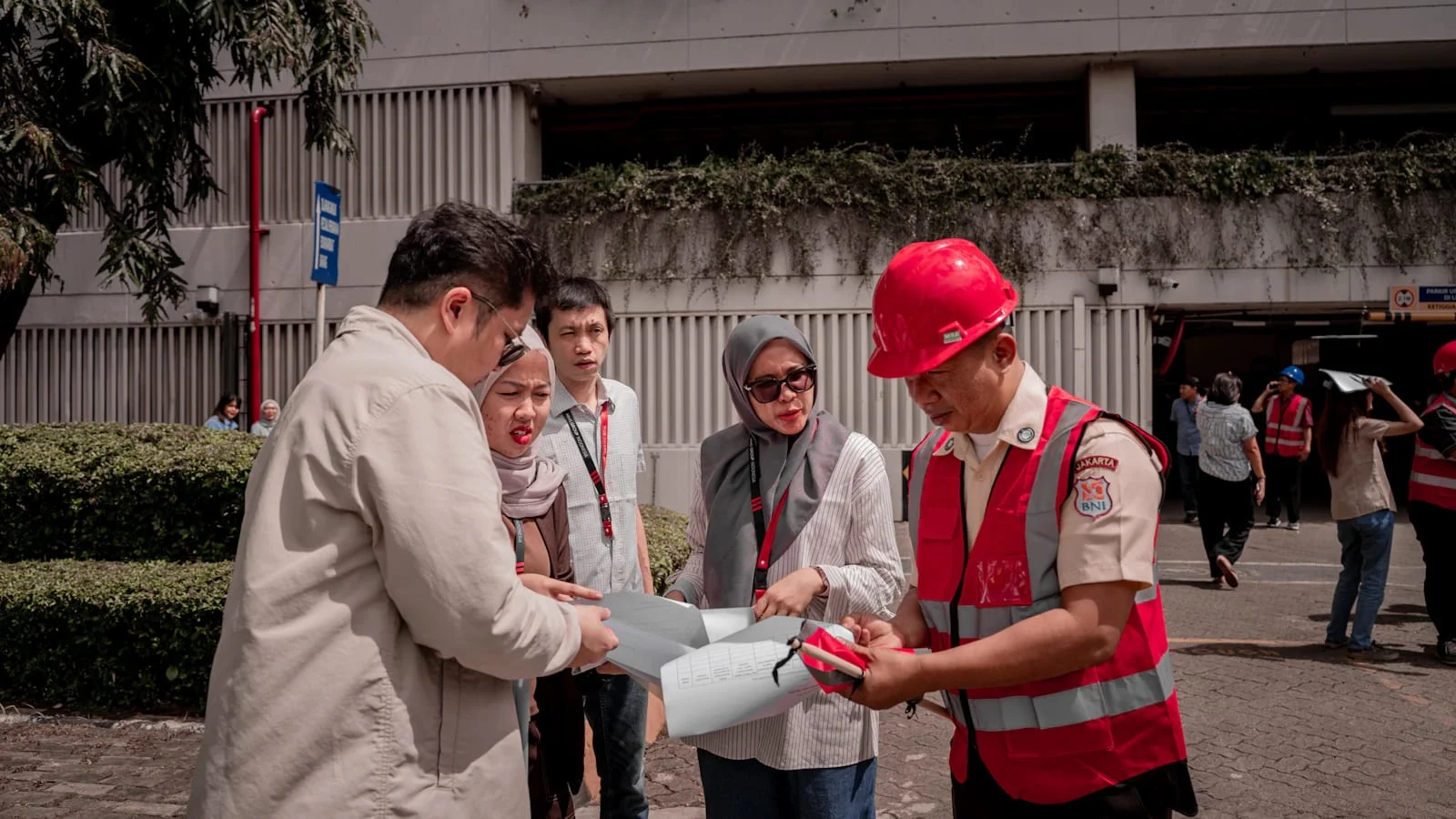
Master of Petroleum Technology Innovation
Course Overview
The Master of Petroleum Technology Innovation is a UK Level 7 postgraduate qualification, typically 1 year full-time or 2 years part-time. Delivered on-campus in central London, live online and by distance learning, the programme concentrates on identifying, piloting and scaling technology across the petroleum value chain, and it is written in step with UK employer expectations across oil, gas and energy.
By graduation, you will be equipped to lead technology programmes, pilots and scale-ups from problem framing to full field deployment. The programme is taught by practising engineers, HSE specialists, energy economists and industry leaders, with material drawn from live UK and international operator scenarios so the skills you build translate directly to a workplace context.
The Master of Petroleum Technology Innovation closes with a substantial dissertation or sponsor consulting project, typically set against a live North Sea, Middle East, West African or global energy scenario, giving you evidenced capability to take into a UK operator, service firm or consultancy setting.
Key Features
- Master qualification, UK Level 7 postgraduate qualification, with confirmed articulation pathways into the next LSOGM level
- Syllabus aligned with IChemE and Energy Institute (EI) competency areas, and referencing IADC standards
- Named programme-tutor support across on-campus, online and distance cohorts, with weekly seminars and structured feedback
- Substantial capstone, dissertation or industry placement pathway with named academic supervision
- Direct link to the LSOGM careers service, industry mentoring and alumni network across London, Aberdeen and international hubs
- UK-format technical reporting, briefings and executive summaries drilled through every module
- Reference to IMCA frameworks where relevant, giving evidenced UK-recognised practice
What You Will Learn
- Apply innovation frameworks for petroleum to real oil, gas and energy scenarios
- Apply technology readiness levels and staged pilots to real oil, gas and energy scenarios
- Apply digital, robotics and automation in petroleum to real oil, gas and energy scenarios
- Apply intellectual property and licensing to real oil, gas and energy scenarios
- Apply commercial evaluation of technology to real oil, gas and energy scenarios
- Apply a dissertation on a technology innovation question to real oil, gas and energy scenarios
- Communicate petroleum technology innovation findings in UK operator-format briefings, executive summaries and technical reports
Who This Course Is For
- Technology managers, R and D leads and innovation programme managers
- Working professionals studying part-time around shift, rota and travel patterns in the energy sector
- International applicants seeking a UK-recognised credential in petroleum technology innovation with named tutor support and a clear articulation route
- Career changers from adjacent sectors, including engineering, finance and defence, moving into oil, gas and energy
- Senior professionals targeting director-track, expert or specialist roles across operators, contractors and consultancies
Career Pathways
- Field Development Engineer
- Offshore Engineer
- Reservoir Engineer
- Enhanced Oil Recovery Specialist
- Production Engineer
- Directional Drilling Specialist
- Wellsite Geologist
- Petroleum Engineer
The LSOGM careers service links finishers of the Master of Petroleum Technology Innovation with operator innovation teams, service company technology groups and venture units, from London-based head offices and City energy trading floors to Aberdeen operational bases, the wider UKCS supply chain and international hubs in the Middle East, West Africa and Asia. Named careers-service contacts, CV clinics, interview coaching and access to the LSOGM alumni network are available across every study mode.
Entry Requirements
- A UK Bachelor degree at 2:2 or above (or international equivalent) in a relevant discipline.
- Relevant work experience considered in place of formal academic qualifications for senior applicants.
- IELTS 6.5 overall (no band below 6.0) for non-native English speakers.
- Two references, normally one academic and one personal or employer.
- Personal statement covering your research or professional interests.
Why Study at LSOGM
The London School of Oil and Gas Management is a specialist division of Harold International College of London teaching in small, tutor-visible cohorts. LSOGM sits within reach of the City energy trading floors, the offshore expertise of Aberdeen and the North Sea, and one of the densest concentrations of oil, gas and energy sector employers, professional bodies and standards organisations found anywhere.
Every intake on the Master of Petroleum Technology Innovation, whether on-campus, online or by distance learning, joins the same weekly seminar structure with named programme-tutor support. Three parallel study modes make LSOGM programmes accessible around work, family or shift patterns in the energy sector, and the syllabus is reviewed annually against live employer demand.
Faculty on the Master of Petroleum Technology Innovation combine active industry practice with academic teaching, and cohorts are deliberately kept small so tutor time is protected. Students leave with evidenced capability drawn from process safety audits, reservoir models, trading briefs, HSE plans, project reports or supply chain designs, depending on their programme, along with a clear articulation ladder to the next LSOGM level.
Apply for Master of Petroleum Technology Innovation
Move into petroleum technology innovation with a credentialed UK route that keeps three study modes and named tutor support in play. Applications are assessed on a rolling basis and admissions returns intake dates, fee schedules and any bridging or preparatory options for the Master of Petroleum Technology Innovation in writing within one working day. Take the senior postgraduate track with LSOGM. Click Enrol Now. Admissions responds within one working day. Enrol Now.