BSc in Energy Governance and Regulation
Course Overview
LSPE's BSc in Energy Governance and Regulation is a honours Bachelor honours degree route spanning 36 months full honours (top-up routes available for holders of a Higher Diploma), taught by former energy practitioners and offered through on-campus and online delivery, with ongoing reference to the standards profiled by the Task Force on Climate-related Financial Disclosures (TCFD). The syllabus is anchored in bioenergy, carbon accounting and circular economy, and referenced against the working practice profiled by Carbon Trust, so learners are not asked to work through abstract material but to engage with the vocabulary and evidence base used across the sector today.
Graduating students of the BSc in Energy Governance and Regulation carry a full honours-degree profile, a placement track record inside green hydrogen ventures, and an evidenced dissertation covering bioenergy or carbon accounting in a chosen UK or international energy market, ready to enter graduate-scheme routes or continue to LSPE Master's study.
Key Features
- Programme design aligned with the standards and syllabus signals of the Institute of Environmental Management and Assessment (IEMA), so learners study material that reflects current sector expectations.
- Practitioner-led teaching from former upstream, downstream, trading, renewables and sustainability leaders rather than pure-academic delivery.
- Assessment weighted towards applied briefs and structured reports rather than closed-book examinations, mirroring the outputs expected across net-zero programme offices.
- Content shaped by working reference to the Task Force on Climate-related Financial Disclosures (TCFD) and the wider UK and international energy policy conversation.
- A syllabus written in UK English and framed by the working practice profiled by the Institute of Environmental Management and Assessment (IEMA) and the Task Force on Climate-related Financial Disclosures (TCFD).
- Dedicated LSPE careers support covering CV, LinkedIn, interview coaching and structured introductions to UK and international energy employers.
What You Will Learn
- assess climate-related transition and physical risk exposures
- structure sustainability reporting suitable for board audiences and external stakeholders
- interpret ESG disclosure obligations under GRI, TCFD and comparable regimes
- apply circular-economy principles to energy assets and supply chains
- contextualise Energy Governance and Regulation against IRENA, UNFCCC and Carbon Trust guidance
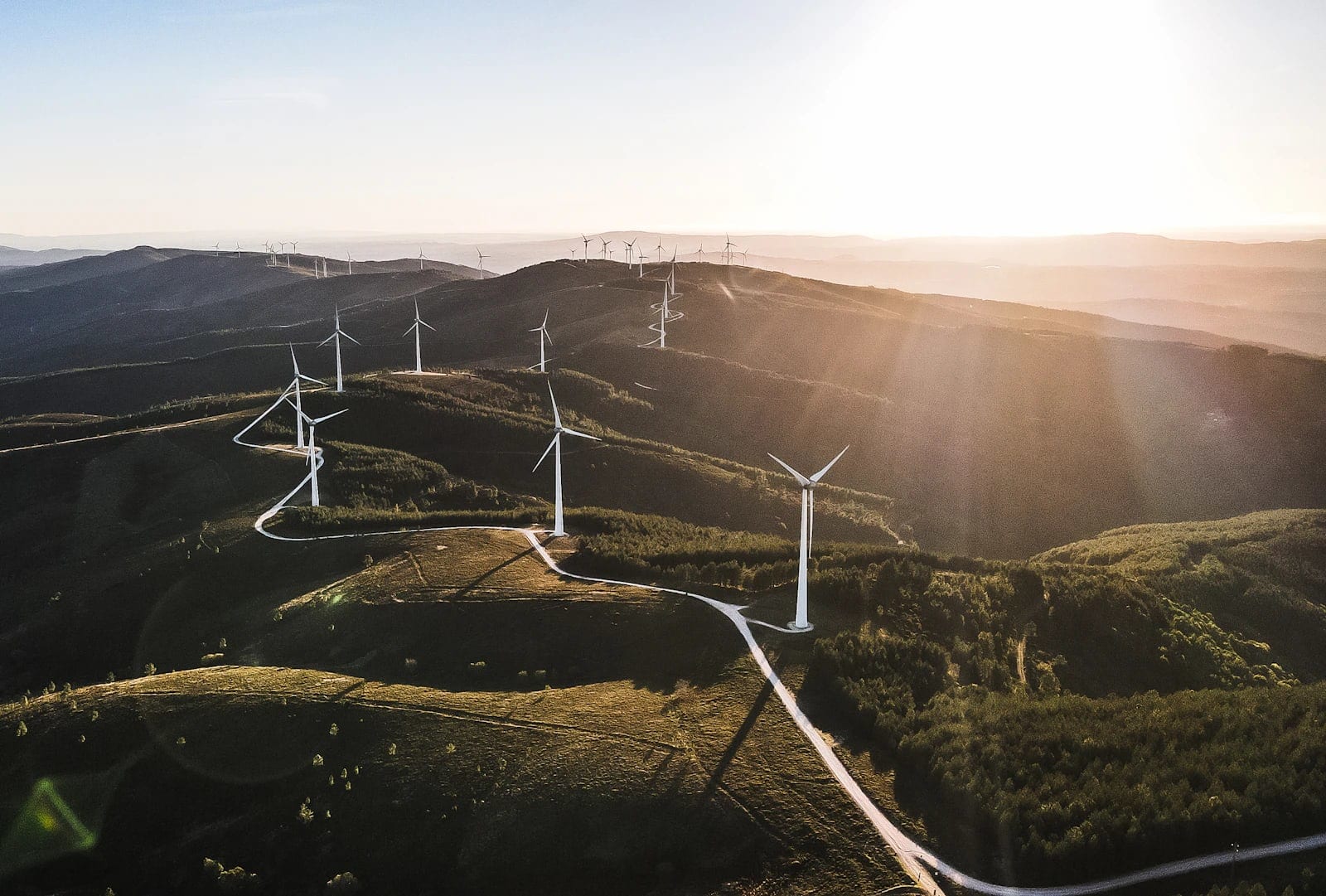
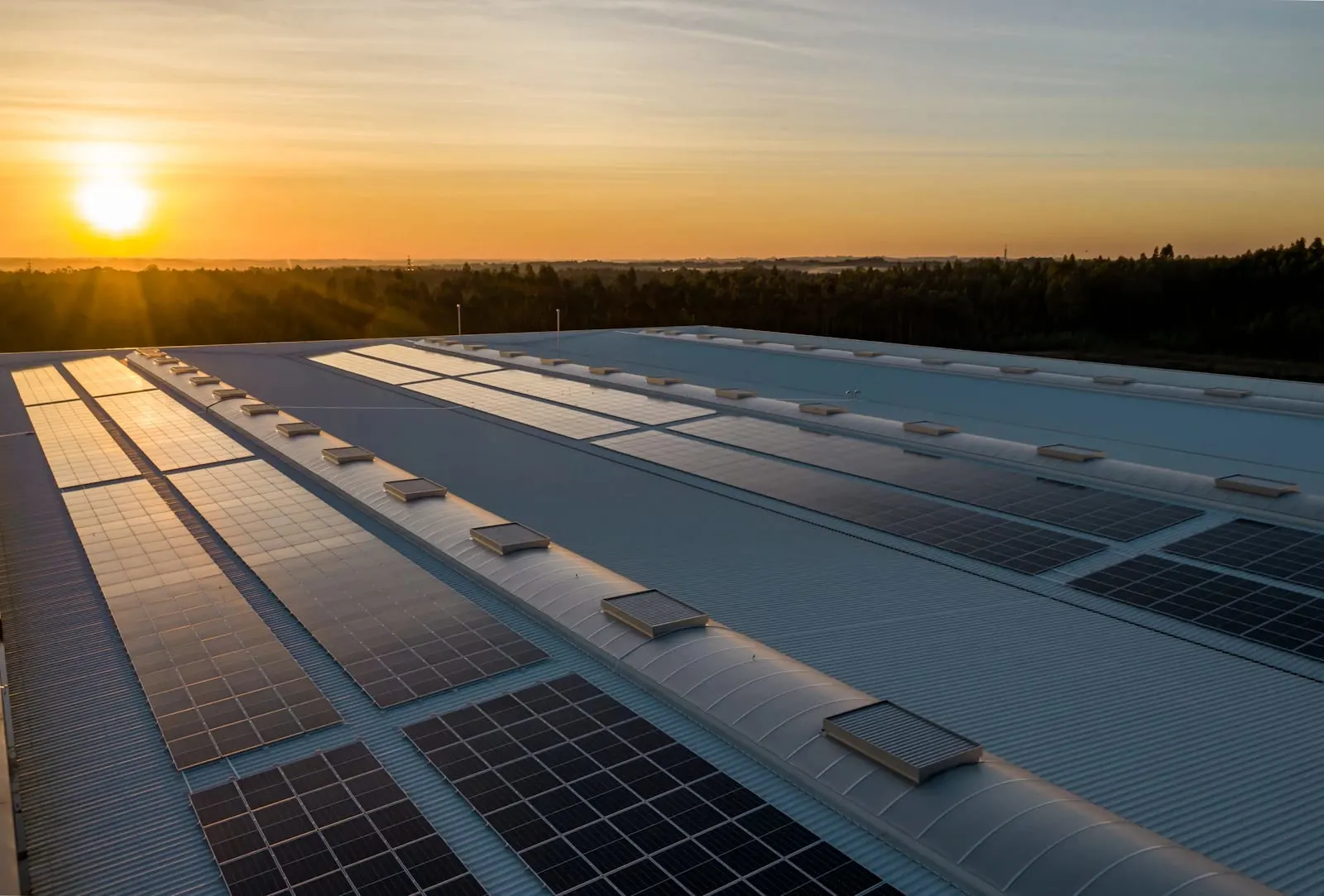
- evaluate renewables project options across solar, wind, hydrogen and bioenergy
- apply carbon accounting principles including scope 1, 2 and 3 emissions
Who This Course Is For
- career changers who want a full graduate profile rather than a series of short qualifications
- international students building a UK undergraduate profile for onward Master's study
- top-up applicants who hold an LSPE Higher Diploma or comparable qualification
- working professionals seeking a placement-based programme with dissertation
Career Pathways
- Carbon Management Consultant
- Wind Project Manager
- Sustainability Manager
- Solar Project Manager
- Renewable Energy Manager
- Environmental Energy Policy Advisor
Careers support on the BSc in Energy Governance and Regulation covers targeted CV work, interview preparation and structured routing towards the professional bodies referenced across IEMA, IRENA, TCFD.
Entry Requirements
- A-Levels (BBC or above) or IB (26+ points) or equivalent overseas qualifications
- A completed Higher Diploma or Advanced Diploma for top-up routes
- IELTS 6.0 overall (no band under 5.5) or equivalent English proficiency
- Personal statement outlining career objectives in the petroleum or energy sector
- Two academic or professional references
Why Study at LSPE
LSPE is the London School of Petroleum and Energy, a specialist division of Harold International College of London focused on the operational, commercial, financial and strategic disciplines that run modern petroleum, energy, renewables and energy-transition businesses worldwide.
Our curriculum is written by former upstream and downstream petroleum managers, energy traders, refinery operations leaders, energy economists, renewables project directors and sustainability practitioners, and delivered across on-campus and online routes to fit working professionals and international students alike. Students on the BSc in Energy Governance and Regulation sit inside this articulation model and benefit directly from the practitioner network, aligned professional-body references and structured career support that define the LSPE experience.
Reading lists on the BSc in Energy Governance and Regulation draw from the United Nations Framework Convention on Climate Change (UNFCCC), Carbon Trust and current UK and international energy publications, and are refreshed regularly so students engage with material that reflects the working position of the sector rather than dated textbook coverage.
Assessment on the BSc in Energy Governance and Regulation is designed to mirror the outputs expected inside renewables developers and government energy departments, so learners produce structured briefing notes, technical summaries and applied case reports rather than generic essays, which makes the qualification recognisable to hiring managers across the wider energy sector.
Programme delivery is paced across the 36 months full honours (top-up routes available for holders of a Higher Diploma) timeline with regular checkpoints, so learners do not accumulate assessment debt and can hold down existing professional commitments while studying the BSc in Energy Governance and Regulation.
Learners on the BSc in Energy Governance and Regulation are supported by structured pastoral care, academic tutoring and English-language study support where required, so international students moving into UK-referenced study are not left to work out UK academic conventions unaided.
Every LSPE cohort combines UK-based and international learners, so classroom discussion on the BSc in Energy Governance and Regulation draws in perspectives from mature UK operations, growing Middle Eastern and North African basins, established European trading floors and emerging renewables markets across Asia and Africa.
The BSc in Energy Governance and Regulation sits within LSPE's wider portfolio of aligned petroleum, energy trading, sustainability and executive leadership routes, and shares assessment discipline, industry-referenced reading and careers infrastructure with those parallel programmes.
Apply for BSc in Energy Governance and Regulation
Applications for the BSc in Energy Governance and Regulation are open across on-campus and online routes at the London School of Petroleum and Energy. Apply for your full LSPE undergraduate energy degree by submitting a short application to the LSPE admissions team, who will confirm your route, review your entry profile and guide you through onboarding. When you are ready, Enrol Now.