MSc in Renewable Energy Systems
Course Overview
The MSc in Renewable Energy Systems is a Master (MSc / MBA / MA) route from LSPE, running 12 to 18 months full postgraduate route and designed around the current expectations of the Institute of Environmental Management and Assessment (IEMA) and comparable UK and international energy bodies, with a syllabus that reflects the day-to-day work seen across green hydrogen ventures. Content is written around renewables, hydrogen and the broader operational context of ESG, framed by the standards discussion at the International Renewable Energy Agency (IRENA), and paced to fit working professionals and international students who need a structured, industry-referenced London qualification.
By dissertation submission, learners on the MSc in Renewable Energy Systems are delivering research-informed policy or corporate recommendations on renewables and hydrogen suitable for senior energy audiences and executive decision-makers across net-zero programme offices, with the analytical range expected of specialist consultants and executive-track appointments.
Key Features
- A syllabus written in UK English and framed by the working practice profiled by the United Nations Framework Convention on Climate Change (UNFCCC) and the Institute of Environmental Management and Assessment (IEMA).
- Dedicated LSPE careers support covering CV, LinkedIn, interview coaching and structured introductions to UK and international energy employers.
- Blended delivery across on-campus London teaching suites and structured online study, so international and working students can complete the MSc in Renewable Energy Systems without relocating.
- Guided reading, structured exercises and paced formative feedback throughout the 12 to 18 months full postgraduate route route.
- Clean articulation into the next LSPE level so the Master (MSc / MBA / MA) route progresses cleanly into further study without loss of credit or momentum.
- Case-based teaching drawing on carbon accounting, energy transition and the operational realities of renewables developers.
What You Will Learn
- contextualise Renewable Energy Systems against IRENA, UNFCCC and Carbon Trust guidance
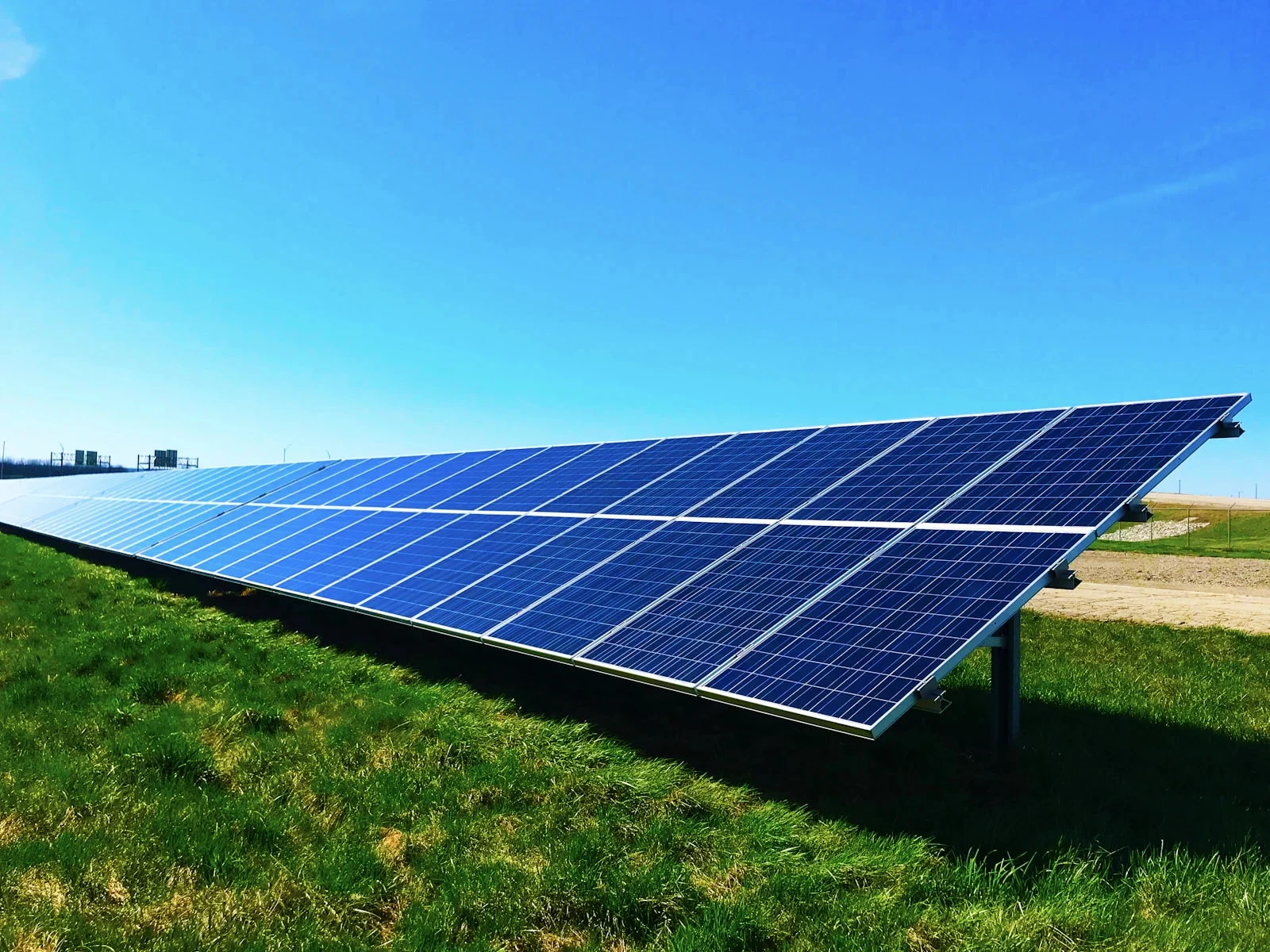
- evaluate renewables project options across solar, wind, hydrogen and bioenergy
- apply carbon accounting principles including scope 1, 2 and 3 emissions
- translate climate policy signals into operational programme actions
- apply lifecycle assessment methods to energy assets and products
- structure net-zero pathways using recognised transition frameworks
- assess climate-related transition and physical risk exposures
Who This Course Is For
- graduates with a 2:2 honours degree or overseas equivalent moving into specialist energy roles
- career changers with 5+ years of senior sector experience but no first degree
- researchers, policy specialists and consultants aiming to shape the direction of ESG
- mid-career professionals in multilateral climate bodies targeting senior specialist or executive roles
Career Pathways
- Renewable Energy Manager
- Environmental Energy Policy Advisor
- Chief Sustainability Director
- Net-Zero Programme Manager
- Head of Sustainability
- Climate Risk Analyst
LSPE's careers service supports every learner on the MSc in Renewable Energy Systems with CV writing, LinkedIn optimisation, mock interviewing and structured introductions to UK and international energy employers.
Entry Requirements
- A UK 2:2 (Lower Second Class) honours degree or overseas equivalent in any discipline
- Applicants without a first degree may be considered with 5+ years of senior petroleum, energy, renewables or utilities experience
- IELTS 6.5 overall (no band under 6.0) or equivalent English proficiency
- A 500-word research statement covering the applicant's chosen area of energy specialisation
- Two academic or professional references and a short interview
Why Study at LSPE
Every LSPE programme is aligned with recognised UK and international energy bodies including the Energy Institute (UK), the Society of Petroleum Engineers, the Institution of Chemical Engineers, the International Energy Agency, the International Renewable Energy Agency and the Chartered Management Institute, so graduates step into the sector with credible, industry-referenced study behind them.
Students on every LSPE route are supported by dedicated career services covering CV, LinkedIn, interview coaching and structured introductions to UK and international oil, gas and energy operators, renewables developers, energy trading houses, consultancies and government bodies. Students on the MSc in Renewable Energy Systems sit inside this articulation model and benefit directly from the practitioner network, aligned professional-body references and structured career support that define the LSPE experience.
Reading lists on the MSc in Renewable Energy Systems draw from the Institute of Environmental Management and Assessment (IEMA), the Global Reporting Initiative (GRI) and current UK and international energy publications, and are refreshed regularly so students engage with material that reflects the working position of the sector rather than dated textbook coverage.
Assessment on the MSc in Renewable Energy Systems is designed to mirror the outputs expected inside green hydrogen ventures and ESG advisory firms, so learners produce structured briefing notes, technical summaries and applied case reports rather than generic essays, which makes the qualification recognisable to hiring managers across the wider energy sector.
Programme delivery is paced across the 12 to 18 months full postgraduate route timeline with regular checkpoints, so learners do not accumulate assessment debt and can hold down existing professional commitments while studying the MSc in Renewable Energy Systems.
Learners on the MSc in Renewable Energy Systems are supported by structured pastoral care, academic tutoring and English-language study support where required, so international students moving into UK-referenced study are not left to work out UK academic conventions unaided.
Every LSPE cohort combines UK-based and international learners, so classroom discussion on the MSc in Renewable Energy Systems draws in perspectives from mature UK operations, growing Middle Eastern and North African basins, established European trading floors and emerging renewables markets across Asia and Africa.
The MSc in Renewable Energy Systems sits within LSPE's wider portfolio of aligned petroleum, energy trading, sustainability and executive leadership routes, and shares assessment discipline, industry-referenced reading and careers infrastructure with those parallel programmes.
Apply for MSc in Renewable Energy Systems
Applications for the MSc in Renewable Energy Systems are open across on-campus and online routes at the London School of Petroleum and Energy. Advance into executive energy leadership with LSPE by submitting a short application to the LSPE admissions team, who will confirm your route, review your entry profile and guide you through onboarding. When you are ready, Enrol Now.